
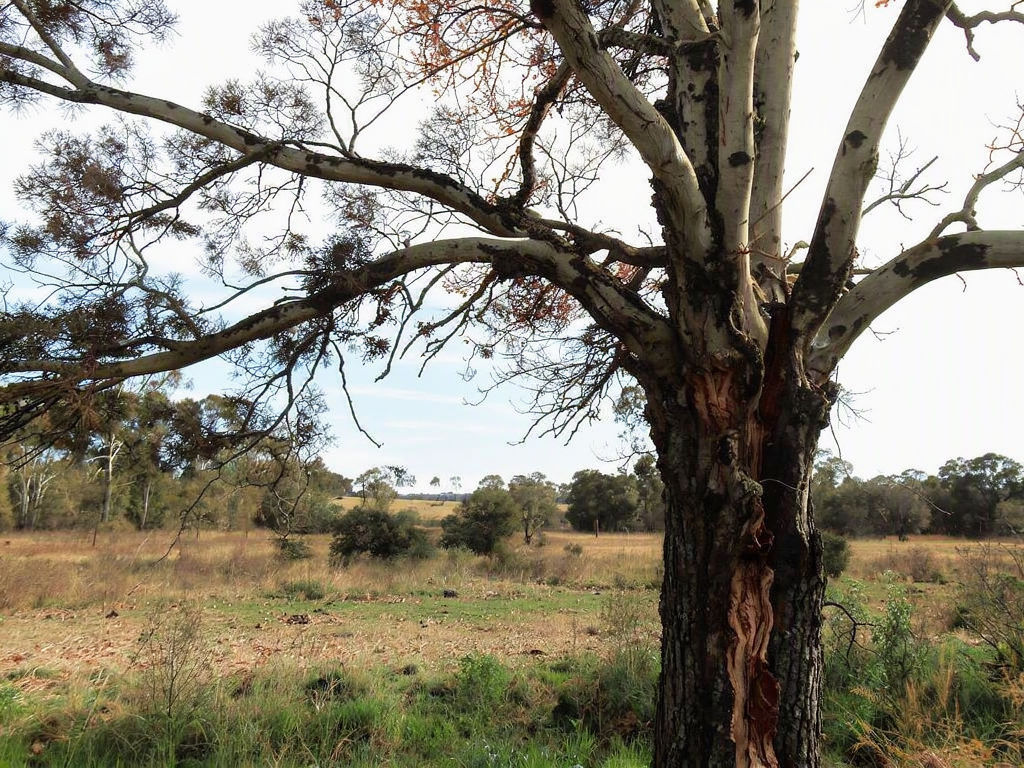
The Hidden Dangers of Dead Branches
Dead wood removal is one of the simplest, most effective ways to protect both your trees and your property. When a tree holds onto dead branches and limbs, it isn’t just an appearance issue. Those weak, brittle sections can limit healthy growth, invite pests and disease and pose a real safety risk if they fall.
Read this blog post, written by a qualified arborist, to understand why removing dead wood matters, how to recognise it and when it’s best to handle it yourself versus calling a professional.
What Is “Dead Wood” in a Tree?
Dead wood refers to branches or limbs that are no longer living, meaning they’re not transporting water or nutrients and won’t produce leaves, flowers, or fruit. Trees may carry dead wood for many reasons, including drought stress, storm damage, disease, insect infestations, root problems, or simply age and shading inside a dense canopy.
Common signs a branch may be dead
- No leaves during the growing season (when surrounding branches are leafed out)
- Brittle twigs that snap cleanly rather than bending
- Peeling or missing bark, often exposing dry wood underneath
- Fungal growth on or near the branch
- Cracks, cavities, or obvious break points after storms
Note: Some trees are naturally slow to leaf out, and some branches may be dormant rather than dead. If you’re unsure, especially with valuable or mature trees, a qualified arborist can help confirm what should be removed.
Dead Wood Removal Improves Overall Tree Health
Dead branches don’t contribute to a tree’s growth, but they can still “cost” the tree in indirect ways. By removing dead wood, you help the tree focus its energy on healthy tissues, supporting new shoots, stronger leaf development, and better vigour overall.
It also helps prevent small problems from becoming larger ones. Dead limbs can split further, tear live tissue as they fall, and leave bigger wounds than a clean, intentional pruning cut would.
It Promotes Better Air Circulation and Sunlight Penetration
A crowded canopy can trap humidity and reduce airflow. Dead wood often accumulates in shaded, inner parts of the tree where airflow is already limited. Removing it can improve canopy “breathing,” allowing more light and air to reach interior branches.
This matters because better circulation can reduce the conditions that many fungal issues love, warm, damp, still air.
It Reduces the Likelihood of Disease and Pest Problems
Dead wood can become a foothold for pests and pathogens. Insects may use dead or dying branches as habitat, and fungi can colonise dead tissue. Sometimes spreading into stressed, living parts of the tree.
While pruning isn’t a cure-all, removing dead material is often a smart sanitation step that lowers pressure from pests and disease and helps keep problems easier to manage.
It Helps Maintain A Stronger Structure
Dead limbs can change how wind moves through a canopy and how weight is distributed. They may also rub against healthy branches, creating wounds through friction. Over time, that can weaken branch unions and increase the chance of breakage.
Strategic dead wood removal helps maintain a cleaner structure and reduces the chance of a larger failure that damages the trunk or major scaffold limbs.
It’s a Major Safety Upgrade for People and Property
This is the reason many homeowners act quickly: dead wood can fall without much warning. A dead branch over a driveway, sidewalk, patio, play area, or roof is a genuine hazard, especially during high winds, heavy rain, or snow and ice.
Removing dead branches is a proactive way to reduce risk before severe weather tests your trees.
It Improves Appearance (and Often Your Property Value)
Even a healthy tree can look neglected when dead branches are visible in the canopy. Removing them typically results in a cleaner silhouette, better clearance, and a more maintained landscape.
If you care about curb appeal, or you’re preparing for an event or moving home, dead wood removal can make a noticeable difference quickly.
When Does Dead Wood Become an Urgent Problem?
Dead wood removal is especially important when:
- Branches hang over homes, cars, fences, sheds, or power lines
- The dead limb is large or located high in the canopy
- The tree is in a high-traffic area (walkways, driveway, playground spaces)
- You’ve had recent storms and suspect hidden damage
- You notice multiple dead branches, which may signal deeper stress
When Is the Best Time to Remove Dead Wood?
Dead branches can typically be removed any time of year because they are no longer living tissue. That said, timing can still matter:
- After storms: Prompt removal can prevent further tearing and damage.
- During routine maintenance: Many homeowners schedule an annual or seasonal inspection.
- Wildlife considerations: In some areas, nesting season may affect when heavy pruning is best. If you see active nests, consider postponing or consulting a professional.
DIY Versus Hiring a Qualified Arborist
You can often DIY if the dead wood is small, reachable from the ground, and not near structures. Use sharp tools, wear eye protection, and disinfect pruning tools when moving between trees (especially if disease is suspected).
Call a qualified arborist when any of these apply:
- The limb is large or high up and requires climbing
- Branches are near power lines (always treat as a professional-only situation)
- The tree is close to roofs, windows, fences, or other valuable property
- You suspect the tree has a disease, major decay, or structural instability
Professionals also know where to place cuts to support proper healing. Especially important for minimising stress and reducing the chance of decay around pruning wounds.
How Dead Wood Removal Typically Works
While each tree is different, the process often includes:
- Inspection: Identifying dead, broken, and hazardous limbs.
- Pruning plan: Choosing what to remove and what to preserve for structure and balance.
- Proper cuts: Cutting at the correct location (near the branch collar) to reduce damage.
- Cleanup: Removing debris and evaluating whether additional care is needed.
Aftercare: Keeping Dead Wood From Coming Back
Some dead wood is unavoidable over a tree’s lifetime, but good care reduces how much develops:
- Water during dry spells, especially for young or recently planted trees.
- Mulch properly (keep mulch off the trunk) to protect roots and retain moisture.
- Avoid trunk and root damage from mowers, string trimmers, and construction.
- Schedule periodic inspections, especially for mature trees or those near targets (homes/driveways).
Bottom Line
Dead wood removal is an important process for the overall health of a tree. It helps promote new growth, increases air circulation, and reduces the likelihood of disease. Just as importantly, it lowers the risk of dead branches falling on people, pets, or property.
If you’re seeing dead limbs in your trees, or you’d like peace of mind before the next storm. Consider contacting PandP Trees and schedule a professional assessment, particularly for large or hard-to-reach branches. You can contact us HERE.
If you enjoyed reading this article please do not hesitate to share it with your friends and colleagues.

