
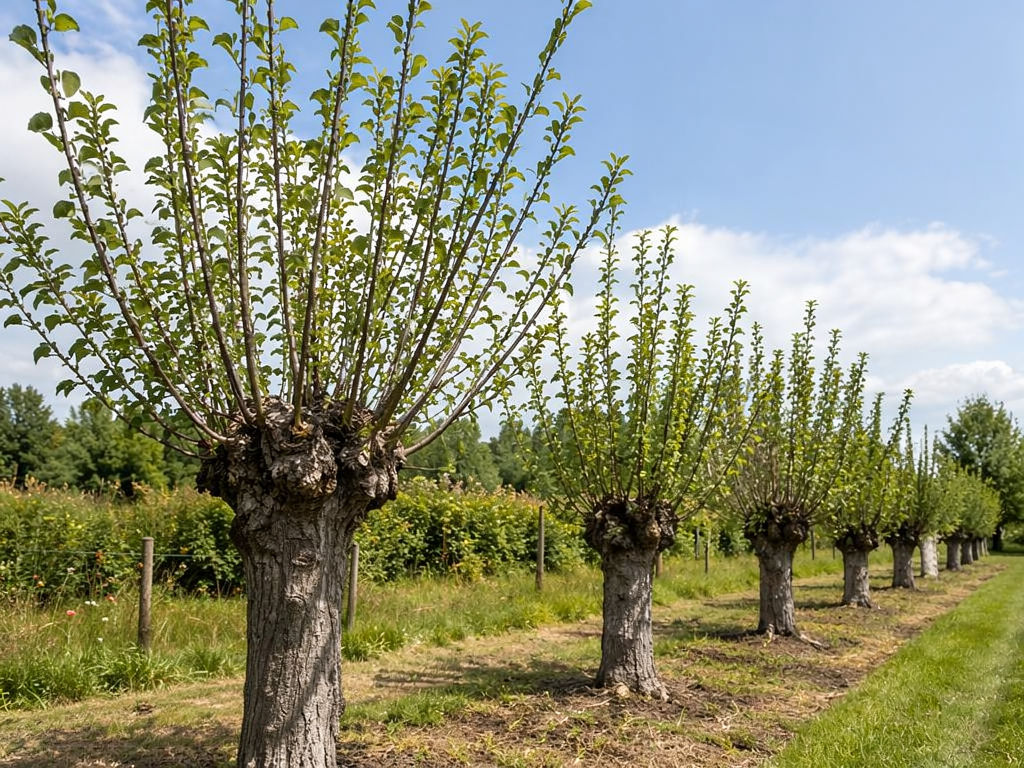
Pollarding - A Practical Pruning Method for Healthier, Safer Trees
Trees add privacy, beauty, and value to a property, but when branches become overgrown, block light, threaten roofs or fences, or start to look unstable, they can quickly turn from an asset into a concern.
At P and P Trees, our expert tree surgeons are fully qualified and insured to work on your property. With years of experience, we safely remove or reduce trees and branches that are causing a problem. One of the most effective long-term techniques we use for size and growth control is pollarding.
What is pollarding?
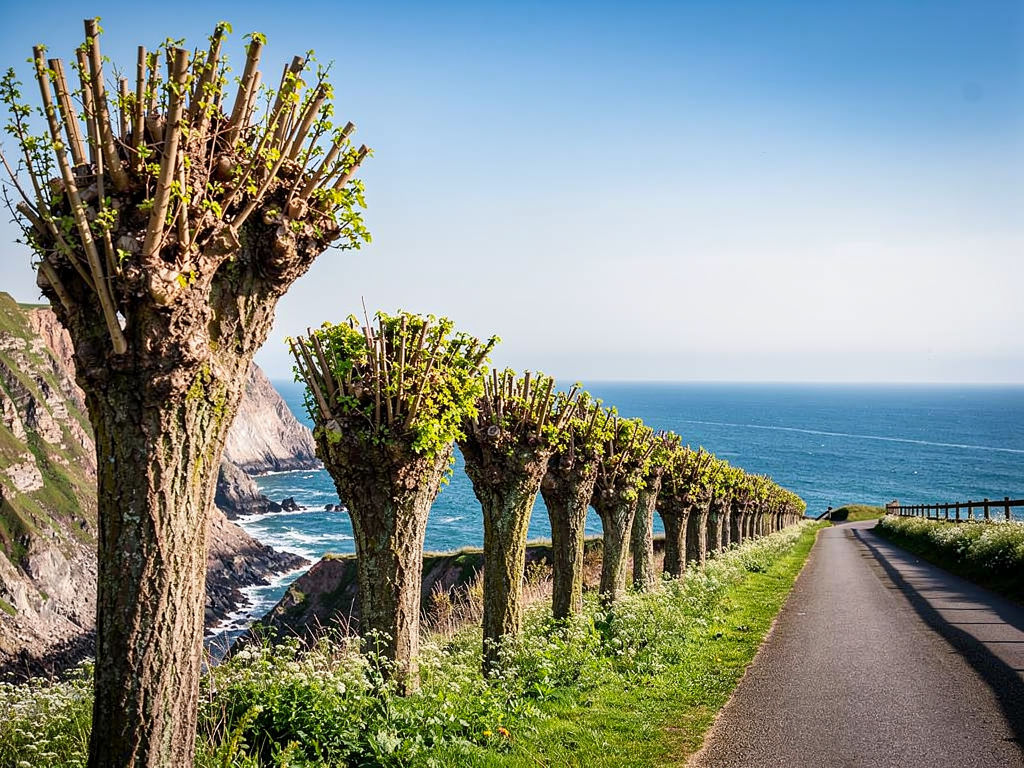
Pollarding is a pruning technique where the main trunk (and/or primary branches) of a tree is cut back to a controlled framework. Cuts are made to a set point, so the tree produces new shoots from that area. It’s then repeated on a cycle, often every few years, so the tree stays within a planned size and shape.
Pollarding is sometimes described as cutting a tree back to a few feet from the ground. While this can happen in some cases (especially with young trees or certain management goals), pollarding is more accurately defined as cutting back to a consistent “pollard head” and then maintaining it routinely.
Important note: This is not the same as random “topping.” Done correctly, pollarding is a structured system with a repeat schedule. Done incorrectly or started on unsuitable trees, it can create decay points, weak regrowth, and long-term risk.
Why might a tree need pollarding?
Pollarding is commonly used when a tree is:
- Outgrowing its location (small gardens, near boundaries, courtyards).
- Encroaching on buildings (roofs, gutters, windows, extensions).
- Causing shading issues for lawns, patios, or neighbouring properties.
- Creating clearance problems over paths, driveways, or roads.
- Producing long, heavy limbs that raise safety concerns in wind.
The key benefits of pollarding
1) Keeps tree size manageable (without removing the tree)
One of the biggest advantages of pollarding is size control. Rather than removing a tree that has become too large for a space, pollarding can reduce the canopy to a predictable framework and keep future growth in check through repeat maintenance.
2) Can reduce the risk from overextended or heavy branches
When branches become long and weighty, they can be more prone to failure, especially during storms. Pollarding can help by reducing leverage on limbs and creating a smaller canopy profile that catches less wind. For properties where safety is a priority, this can be a practical way to lower risk (provided the tree is suitable and the work is carried out correctly).
3) Encourages fresh, vigorous new growth
Pollarding stimulates the tree to produce new shoots from the cut points. This is one reason it’s often used on fruit trees and trees managed for appearance. Regular pruning can promote strong, healthy regrowth and a tidier crown structure over time.
4) Improves light and clearance around your property
Overgrown canopies can block daylight into homes and gardens. A properly planned pollard can open up space, improve light levels, and maintain clearance over paths, patios, and driveways, helping your outdoor areas feel brighter and more usable.
5) Creates a clear, repeatable maintenance plan
Pollarding works best as a scheduled system. Once established, it’s typically repeated every few years (depending on species, growth rate, and the outcome you want). That means fewer surprises, more consistent results, and easier long-term budgeting for tree care.
Which trees can be pollarded?
Pollarding can be done on many tree types, but suitability depends on the species, age, condition, and previous pruning history. It is commonly used on fruit trees and other trees that respond well to regular structured pruning.
Some trees tolerate pollarding better than others, and some should not be pollarded at all, especially if they are mature, already stressed, or have a history of poor pruning. This is where professional assessment matters: the right approach could be pollarding, crown reduction, selective thinning, or (in some cases) removal.
When is pollarding carried out?
Timing depends on the species and your objectives, but Pollarding is often done during the dormant season. Commonly late autumn to early spring, to reduce stress and support healthy regrowth. Just as important as the season is the maintenance cycle: once you start a pollarding routine, it needs to be repeated consistently to avoid weak, elongated regrowth and to maintain the intended structure.
Why use qualified and insured tree surgeons for pollarding?
Pollarding involves major cuts and can significantly alter a tree’s structure. It also typically requires working at height with chainsaws and rigging techniques, often near property, fences, greenhouses, power lines, or public access areas. That’s why it’s a job for professionals.
At P and P Trees, our expert tree surgeons are fully qualified and insured to work on your property. With years of experience, we will:
-
- Assess whether pollarding is appropriate for the tree and location
-
- Carry out the work safely and with a clear long-term structure in mind
-
- Recommend a maintenance schedule to keep regrowth healthy and controlled
-
- Remove any hazardous branches that are causing immediate problems
Considering pollarding for your trees?
If a tree is getting too large, blocking light, or causing concern near buildings or boundaries, pollarding may be an effective solution, when it’s done correctly and maintained. Contact P and P Trees to discuss your options and arrange a professional assessment.
If you enjoyed reading this post on the “The Benefits of Pollarding” you may also be interested in reading our post about “Eco-Plugging Explained“.

