
Benefits Of Contacting A Qualified Tree Surgeon
Trees are among the most valuable features in any garden, estate or residential property. They provide shade, privacy, shelter for wildlife and year-round visual appeal. However, trees are living organisms that require proper care to remain healthy and safe. Problems can develop slowly and may not always be obvious to an untrained eye.
For gardeners, property owners and estate owners, knowing when to call a professional can prevent costly damage and protect both people and trees. Here are the top five signs that your trees need the attention of a Certified Arborist.
1. Dead, Broken or Hanging Branches
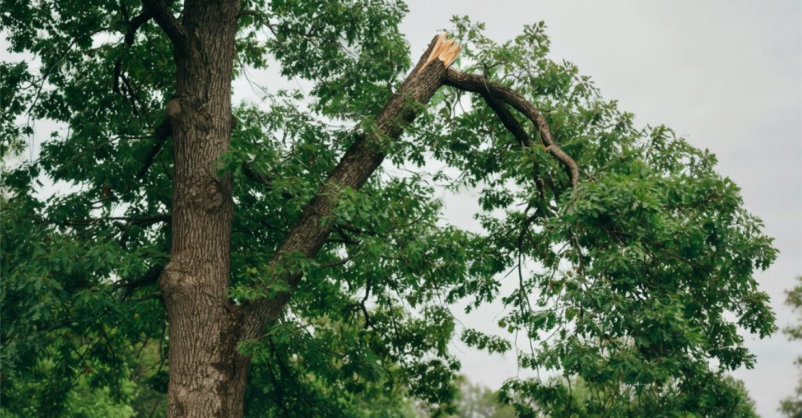
Dead branches are one of the clearest warning signs that a tree needs professional inspection. They may appear bare, brittle or discoloured, and often lack buds during the growing season. Broken branches can result from storms, strong winds, heavy snow or natural ageing.
Even branches that remain attached to the tree can become dangerous. Known as “widow-makers”, large dead limbs may fall without warning, potentially damaging roofs, vehicles, fences or outbuildings. Smaller branches can also injure people or pets using the garden below.
A certified arborist can identify hazardous limbs and determine whether pruning, cabling or removal is appropriate. Professional branch removal also reduces the risk of making incorrect cuts that could leave the tree vulnerable to disease and decay.
2. Cracks, Cavities or Damaged Bark
The bark is a tree’s protective outer layer, so visible damage should never be ignored. Deep cracks, splits, loose bark and open cavities may indicate internal weakness, storm damage or disease. Vertical cracks in the trunk are especially concerning because they can affect the tree’s structural stability.
Small holes or tunnels in the bark may also suggest insect activity. While some insects are harmless, others can weaken the tree or introduce fungal infections. Fungi growing from the trunk or major branches can be another sign of internal decay. Bracket Fungi, mushrooms or soft, spongy wood may indicate that the tree’s core is deteriorating.
Not every cavity means a tree must be removed. An experienced Qualified Tree Surgeon can assess the extent of the damage, inspect the surrounding structure and recommend practical solutions. In some cases, careful pruning or ongoing monitoring may be enough to manage the risk.
3. Leaning or Unstable Trees
A tree that has always grown at an angle may be perfectly stable. However, a sudden lean or a noticeable change in position could indicate root damage, soil movement or weakening at the base. Trees may become unstable after storms, flooding, construction work or changes to nearby drainage.
Pay close attention to raised soil, exposed roots, cracks in the ground or movement around the root plate. These signs can suggest that the tree is beginning to lift or fail. A leaning tree located near a house, driveway, road or play area requires urgent attention.
Avoid attempting to straighten or brace a large tree yourself. Incorrect support can make the problem worse or create additional hazards. A Certified Arborist can carry out a professional risk assessment and advise whether the tree can be stabilised, reduced or safely removed.
4. Sparse Leaves, Discoloured Foliage or Poor Growth
Healthy trees usually produce an appropriate amount of foliage for their species and growing conditions. Sparse leaves, premature leaf drop, yellowing, browning or unusually small leaves may indicate stress.
Common causes include drought, compacted soil, poor drainage, root disturbance, nutrient deficiencies, pests and disease. Trees can also struggle when their roots have been damaged by paving, landscaping, construction or vehicle traffic. Because several different problems can create similar symptoms, treating the issue without identifying the cause may waste time and money.
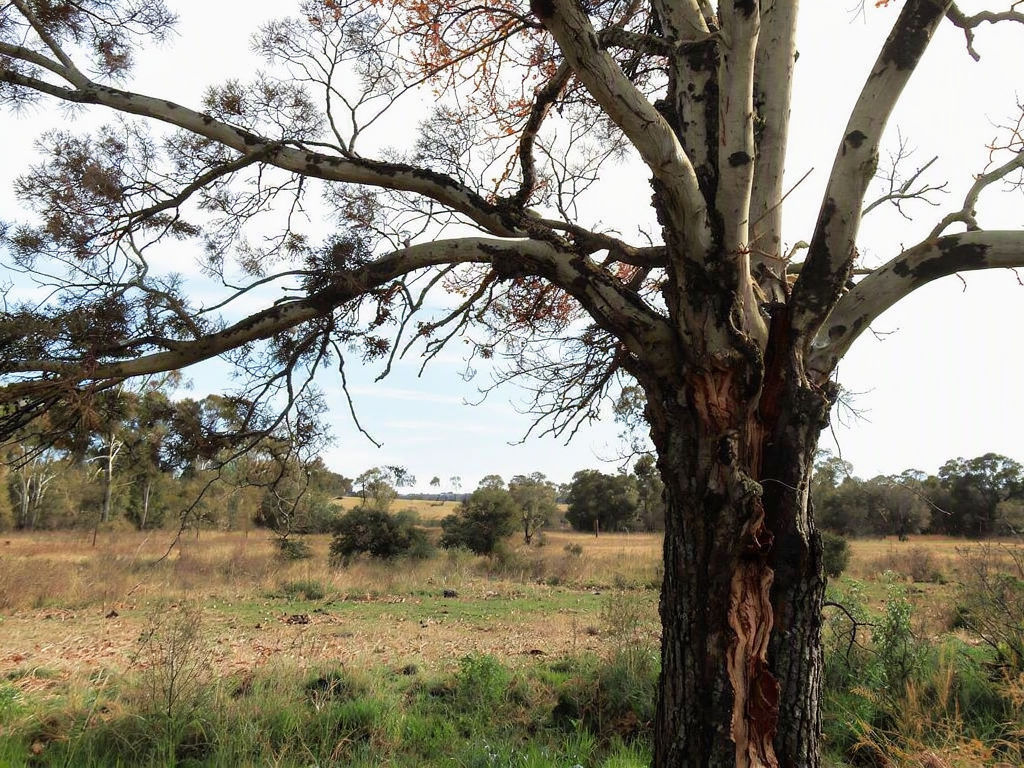
A professional can examine the leaves, branches, trunk, soil and root area to determine what is affecting the tree. Recommendations may include improving soil conditions, adjusting watering practices, removing competing vegetation or carrying out targeted pest and disease management.
Early intervention is particularly important for valuable specimen trees and mature estate landscapes, where replacing an established tree could take decades.
5. Roots Causing Damage or Showing Signs of Stress
Roots are essential for anchoring a tree and absorbing water and nutrients, but they are often overlooked because they are underground. Visible root damage, exposed roots, fungal growth near the base or shoots emerging around the trunk can all indicate a problem.
Roots may be harmed by excavation, soil compaction, changes in ground level or excessive paving. In some cases, roots can contribute to damage around paths, patios or drainage systems, although cutting them without professional guidance can seriously destabilise the tree.
If you notice lifted paving, cracks close to the trunk or signs of decay around the root flare, arrange an inspection. An arborist can distinguish between roots that are causing a genuine structural concern and those that are simply growing naturally.
Why Professional Tree Care Matters
Tree work is more than cutting branches. It involves an understanding of tree biology, growth patterns, safety procedures and local regulations. A qualified professional will use the correct equipment, minimise damage and ensure that work is completed safely.
Before hiring someone, check their insurance, qualifications, experience and references. Ask for a written quotation explaining the recommended work. For protected trees or trees located in conservation areas, planning permission or consent may be required before pruning or removal.
Regular inspections are particularly worthwhile for mature trees, trees near buildings and those exposed to strong winds. Acting early can protect your property, reduce emergency costs and help preserve healthy trees for future generations.
If you notice any of these five warning signs, contact a Certified Arborist for expert advice. Professional attention at the right time can make the difference between saving a valuable tree and facing an avoidable safety risk.
If you need help and advice with your trees please do not hesitate to Contact Us.
If you found this blog post interesting you may wish to read our post about “Why Dead Wood Removal Is Important For Your Trees“.

